




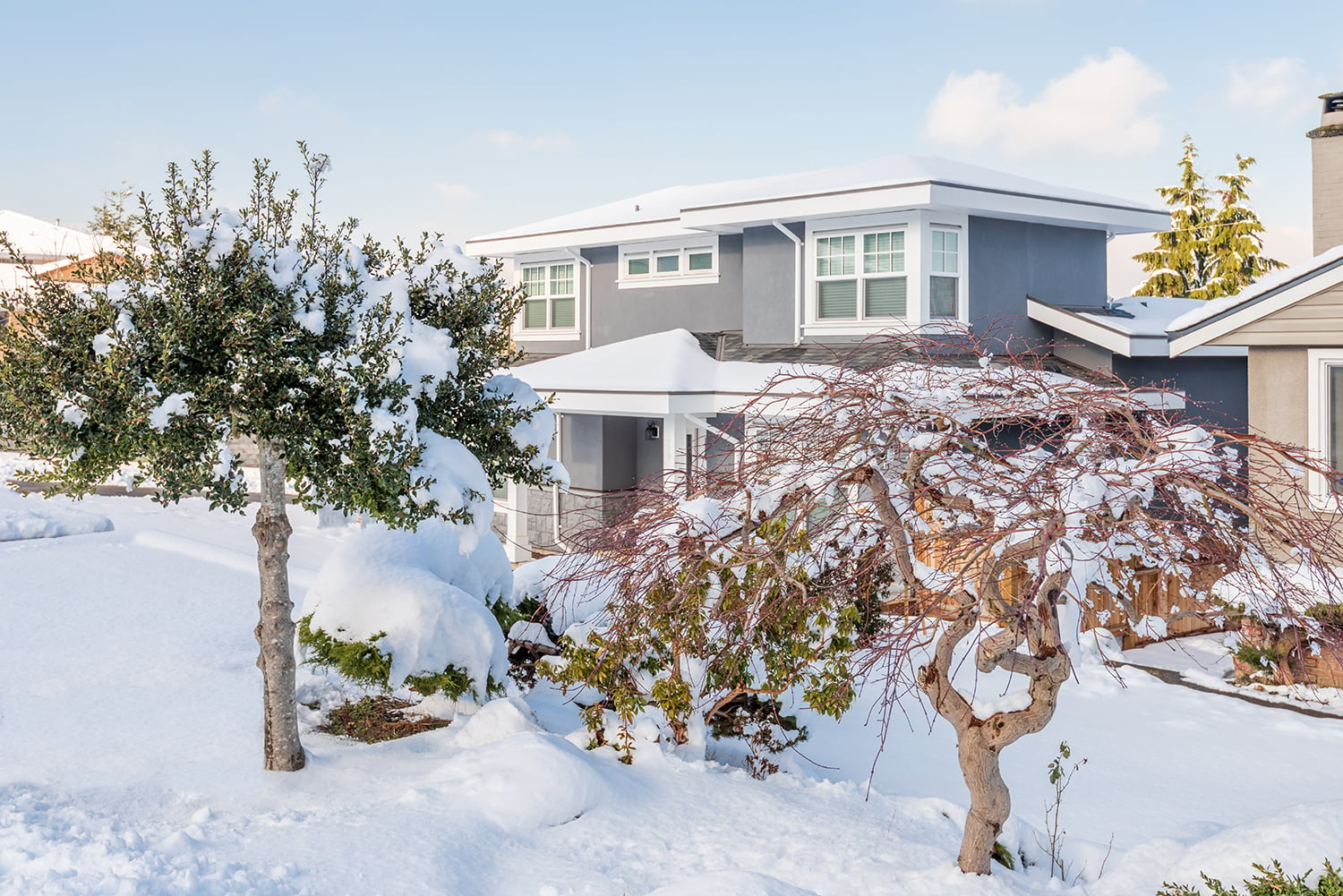
The snowmen are shrinking and the driveways are finally visible again! While the warming temperatures are a relief, the rapid melting of heavy snow presents a new challenge for your home: water management.
At Susan Brewer Service First Real Estate, we know that the “thaw” is actually a critical time for home maintenance. When gallons of frozen water turn liquid all at once, your home’s exterior defenses are put to the test.
Here are five essential things to check immediately after the snow melts to keep your home dry and secure:
1. The “Ice Dam” Aftermath (Roof & Gutters)
Heavy snow and ice can wreak havoc on your roofline. Stand back from your home (use binoculars if you have them) and look for:
-
Sagging Gutters: Heavy snow loads can pull gutters away from the fascia board.
-
Missing Shingles: Snow shovels or sliding ice sheets often take shingles with them.
-
Ice Dam Remnants: If you see large blocks of ice still clinging to the gutters while the rest of the roof is clear, watch for water backing up under the shingles as it melts.
2. Foundation Patrol: Watch the Water Flow
This is the most important check! Walk the perimeter of your house.
-
Pooling Water: The ground is likely still frozen or saturated, meaning the melting snow can’t soak in. Ensure water isn’t pooling directly against your foundation.
-
Downspout Diverters: Make sure your downspout extensions weren’t knocked loose by snow shovels or plows. They need to be attached and pointing away from the house to direct that meltwater safely to the yard or street.
3. Test the Sump Pump
Your sump pump is about to run a marathon. With the ground saturated, the water table will rise.
-
The Bucket Test: If you have a sump pit, pour a bucket of water into it to ensure the pump engages, ejects the water, and shuts off automatically.
-
Check the Discharge Line: Walk outside and ensure the pipe where the sump pump empties isn’t buried in a snowbank or frozen shut, which would cause the water to burn out the pump or flood the basement.
4. Scan for “Freeze-Thaw” Concrete Cracks
Concrete expands and contracts with temperature swings.
-
Driveways and Walkways: Look for new cracks in your driveway or sidewalks. If you find them, plan to seal them once the concrete is dry and temperatures stay above freezing. This prevents water from getting in, freezing again, and making the crack wider.
5. Inspect the Attic and Ceilings
Sometimes the damage isn’t visible outside.
-
The Attic Check: If safe to do so, pop your head into the attic. Look for wet insulation or damp wood, which indicates a leak from an ice dam.
-
Ceiling Spots: Walk through your upstairs rooms and look for any new yellow or brown water spots on the ceilings, particularly near exterior walls. Catching a leak now prevents mold growth later.
A little vigilance during the melt can save you from a wet basement or a damaged roof! If you spot an issue and need a recommendation for a trusted local contractor, or if you are ready to list your home now that the driveway is clear, Susan Brewer Service First Real Estate is here to help!


Leave a Reply