




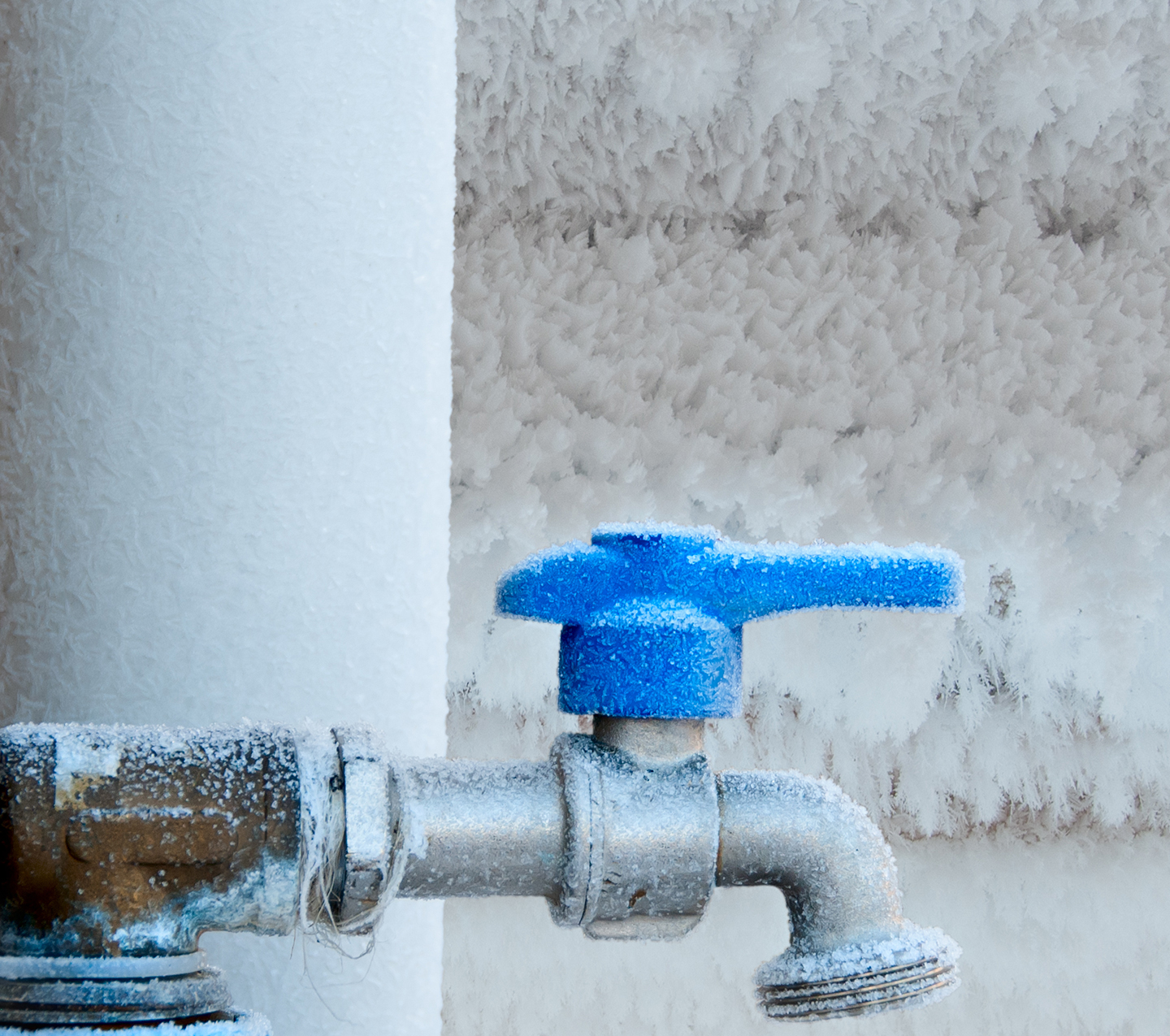
Don’t Get Left Out in the Cold! ❄️ 4 Steps to Protect Your Pipes
With temperatures dropping fast, the last thing any homeowner wants to hear is the sound of a pipe bursting. When water freezes, it expands with incredible force, which can lead to expensive water damage and major headaches.
At Susan Brewer Service First Real Estate, we want your winter to be cozy, not costly! Before the next deep freeze hits, follow these simple “Service First” steps to keep your plumbing flowing:
1. Let it Drip (Just a Little!)
It might seem counterintuitive to leave a faucet on, but it’s one of the most effective defenses you have.
-
The Task: When temperatures dip below freezing, let a very thin stream of water—about the width of a pencil lead—drip from the faucets served by exposed pipes (usually those on exterior walls).
-
The Why: Moving water is much harder to freeze than standing water, and the open faucet relieves the pressure buildup that actually causes pipes to burst.
2. Open Your Cabinet Doors
Your kitchen and bathroom cabinets can act like little refrigerators, trapping cold air against your plumbing.
-
The Task: Open the cabinet doors under your sinks to allow the warm air from your home’s heating system to circulate around the pipes.
-
The Pro-Tip: This is especially important if your sink is located on an exterior wall!
3. Disconnect the Garden Hoses
This is a small step that many people forget until it’s too late.
-
The Task: Remove all garden hoses from outdoor spigots. If you have interior shut-off valves for your outdoor faucets, turn them off and drain the line.
-
The Why: A connected hose holds water right at the faucet. When that water freezes, it can cause the pipe inside your wall to burst.
4. Maintain a Consistent Temperature
We all love to save on the heating bill, but a “polar vortex” is not the time to be stingy with the thermostat.
-
The Task: Keep your thermostat set to the same temperature during the day and night. If you’re going out of town, never set your heat lower than 55 degrees.
-
The Why: A sudden drop in indoor temperature at night is often when pipes reach their breaking point.
What if they freeze anyway?
If you turn on a faucet and only a trickle comes out, don’t panic! Leave the faucet open, keep the area warm, and call a professional plumber immediately. Never use an open flame to thaw a pipe!
Is your current home struggling with the winter weather? Maybe it’s time to find a home with more modern, energy-efficient systems. Contact Susan Brewer Service First Real Estate today—we’d love to help you find your perfect (and warm!) sanctuary.
Would you like me to create a “Frozen Pipe Emergency” graphic you can post to your stories for quick reference?
With temperatures dropping fast, the last thing any homeowner wants to hear is the sound of a pipe bursting. When water freezes, it expands with incredible force, which can lead to expensive water damage and major headaches.
At Susan Brewer Service First Real Estate, we want your winter to be cozy, not costly! Before the next deep freeze hits, follow these simple “Service First” steps to keep your plumbing flowing:
1. Let it Drip (Just a Little!)
It might seem counterintuitive to leave a faucet on, but it’s one of the most effective defenses you have.
-
The Task: When temperatures dip below freezing, let a very thin stream of water—about the width of a pencil lead—drip from the faucets served by exposed pipes (usually those on exterior walls).
-
The Why: Moving water is much harder to freeze than standing water, and the open faucet relieves the pressure buildup that actually causes pipes to burst.
2. Open Your Cabinet Doors
Your kitchen and bathroom cabinets can act like little refrigerators, trapping cold air against your plumbing.
-
The Task: Open the cabinet doors under your sinks to allow the warm air from your home’s heating system to circulate around the pipes.
-
The Pro-Tip: This is especially important if your sink is located on an exterior wall!
3. Disconnect the Garden Hoses
This is a small step that many people forget until it’s too late.
-
The Task: Remove all garden hoses from outdoor spigots. If you have interior shut-off valves for your outdoor faucets, turn them off and drain the line.
-
The Why: A connected hose holds water right at the faucet. When that water freezes, it can cause the pipe inside your wall to burst.
4. Maintain a Consistent Temperature
We all love to save on the heating bill, but a “polar vortex” is not the time to be stingy with the thermostat.
-
The Task: Keep your thermostat set to the same temperature during the day and night. If you’re going out of town, never set your heat lower than 55 degrees.
-
The Why: A sudden drop in indoor temperature at night is often when pipes reach their breaking point.
What if they freeze anyway?
If you turn on a faucet and only a trickle comes out, don’t panic! Leave the faucet open, keep the area warm, and call a professional plumber immediately. Never use an open flame to thaw a pipe!
Is your current home struggling with the winter weather? Maybe it’s time to find a home with more modern, energy-efficient systems. Contact Susan Brewer Service First Real Estate today—we’d love to help you find your perfect (and warm!) sanctuary.


Leave a Reply