


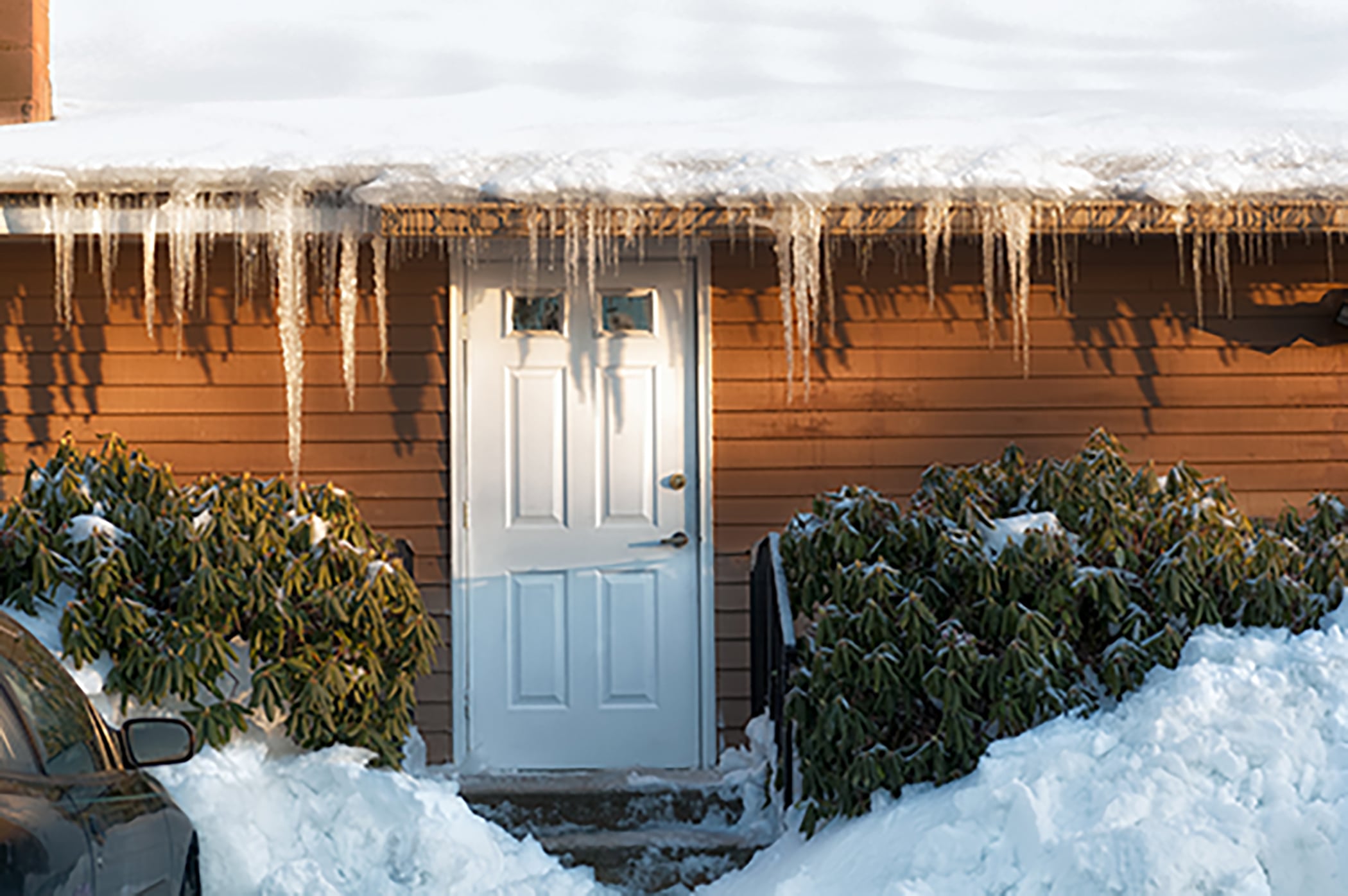
Winter in St. Charles County can be unpredictable. While cozy fires and snow-covered trees are part of the seasonal charm, severe winter weather can quickly turn a quiet evening into a home emergency. Taking a few preventive steps now—and stocking the right emergency supplies—will protect your home, keep your family safe, and save you from costly unexpected repairs.
Here are 5 common winter home emergencies, how to avoid them, and what to keep on hand:
1. Frozen & Burst Pipes
When temperatures drop well below freezing, water trapped in uninsulated or exposed pipes expands, causing them to burst and flood your home.
- How to Avoid: Disconnect outdoor hoses, shut off interior water supply valves to exterior spigots, and insulate exposed pipes in basements, crawl spaces, and garages. During extreme cold snaps, let indoor faucets drip slowly and open cabinet doors under sinks to let warm room air circulate.
- Emergency Kit Must-Haves: Foam pipe insulation sleeves, a water shut-off curb key (to quickly turn off your main water line), and heavy-duty absorbent towels.
2. Furnace or Heating System Failure
There is nothing worse than waking up in the middle of a sub-zero night to a cold house because the heating system quit working.
- How to Avoid: Schedule an annual HVAC inspection and furnace tune-up every autumn. Replace your air filters every 30 to 60 days, and ensure air vents and returns throughout your house remain unblocked by furniture or rugs.
- Emergency Kit Must-Haves: A programmable or battery-backup thermostat, portable electric space heaters (UL-certified), thermal blankets, and extra batteries for your smoke and carbon monoxide detectors.
3. Ice Dams on the Roof
Ice dams form when heat escaping through an under-insulated attic melts snow on the roof. The runoff flows down to the cold eaves, freezes into an ice ridge, and traps melting water that backs up underneath your shingles and into your ceilings.
- How to Avoid: Clean all fallen leaves and debris out of gutters before the first snow. Ensure your attic has adequate insulation and ventilation so the roof surface maintains an even temperature.
- Emergency Kit Must-Haves: A long-handled roof rake to clear snow accumulation from roof edges and calcium chloride ice-melt pucks designed specifically for roofs and gutters.
4. Power Outages from Winter Ice Storms
Heavy ice buildup on tree branches can cause limbs to snap, taking down power lines and leaving your home without heat or electricity for hours or even days.
- How to Avoid: Trim dead, damaged, or overhanging tree branches away from your roof, driveway, and power lines before winter weather sets in.
- Emergency Kit Must-Haves: Flashlights, a portable phone power bank, a battery-operated or hand-crank radio, non-perishable food, bottled water, and a safe portable generator (operated outdoors only).
5. Driveway & Walkway Slip Hazards
Freezing rain and melting snow create dangerous black ice on concrete steps, sidewalks, and driveways, creating serious liability and injury risks for your family and guests.
- How to Avoid: Keep walkways clear by shoveling early before snow gets packed down by foot traffic or vehicles, and treat surfaces proactively before a storm hits.
- Emergency Kit Must-Haves: A sturdy, ergonomic snow shovel, pet-safe ice melt or rock salt, and a bag of sand or cat litter to provide immediate traction on slippery ice.
Need Recommended Local Pros Before Winter Hits?
From trusted plumbers and HVAC specialists to certified arborists, the team at Susan Brewer Service First Real Estate maintains a vetted list of reliable local home service contractors. Reach out to us today if you need a recommendation or have questions about protecting your home equity this season!
Check out this article next